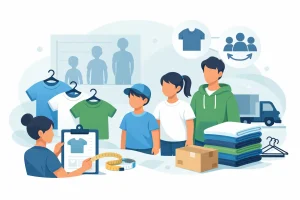




One shirt for a new hire. Three for a family trip. Twelve for a school club that finally got approval late. That is exactly where no minimum custom shirts make sense. You can order what you need, when you need it, without waiting to hit a quantity threshold or reworking your design to fit an old-school print setup.
For a lot of buyers, the real issue is not whether custom shirts are possible. It is whether ordering them will turn into a project. Traditional bulk printing works well in some cases, but it can create extra steps when your order is small, your artwork is full color, or your timeline is tight. No minimum ordering solves that problem by making custom apparel practical for both one-off pieces and larger runs.
Why no minimum custom shirts matter
The biggest advantage is flexibility. If you are ordering for a business, school, team, or event, quantities are not always predictable. Sizes change. Staff gets added. Volunteers sign up late. Someone forgets to submit their shirt size until the last minute. When there is no minimum, you are not forced to overbuy just to place the order.
That flexibility also helps with testing. A small business might want a sample shirt before placing a broader staff order. A nonprofit may need just a few shirts for a donor meeting now and a larger batch for an event later. A coach might need one replacement jersey-style tee after the main order is already done. In each of those cases, a no-minimum option keeps things moving.
There is also a design benefit that buyers often overlook. With digital printing, full-color artwork does not need to be simplified just to make the order cost-effective. That matters for logos with gradients, multicolor illustrations, photo-style graphics, and event shirts where the design is part of the appeal.
How no-minimum printing works
No-minimum ordering is usually tied to digital apparel printing rather than traditional screen printing. That difference matters because the print method affects setup time, color limitations, and how practical small orders are.
Screen printing is often the right choice for very large runs with simple artwork. It uses separate screens for each color, which means setup takes more time and each added color can affect cost. If you only need a few pieces, that setup can make the order feel inefficient.
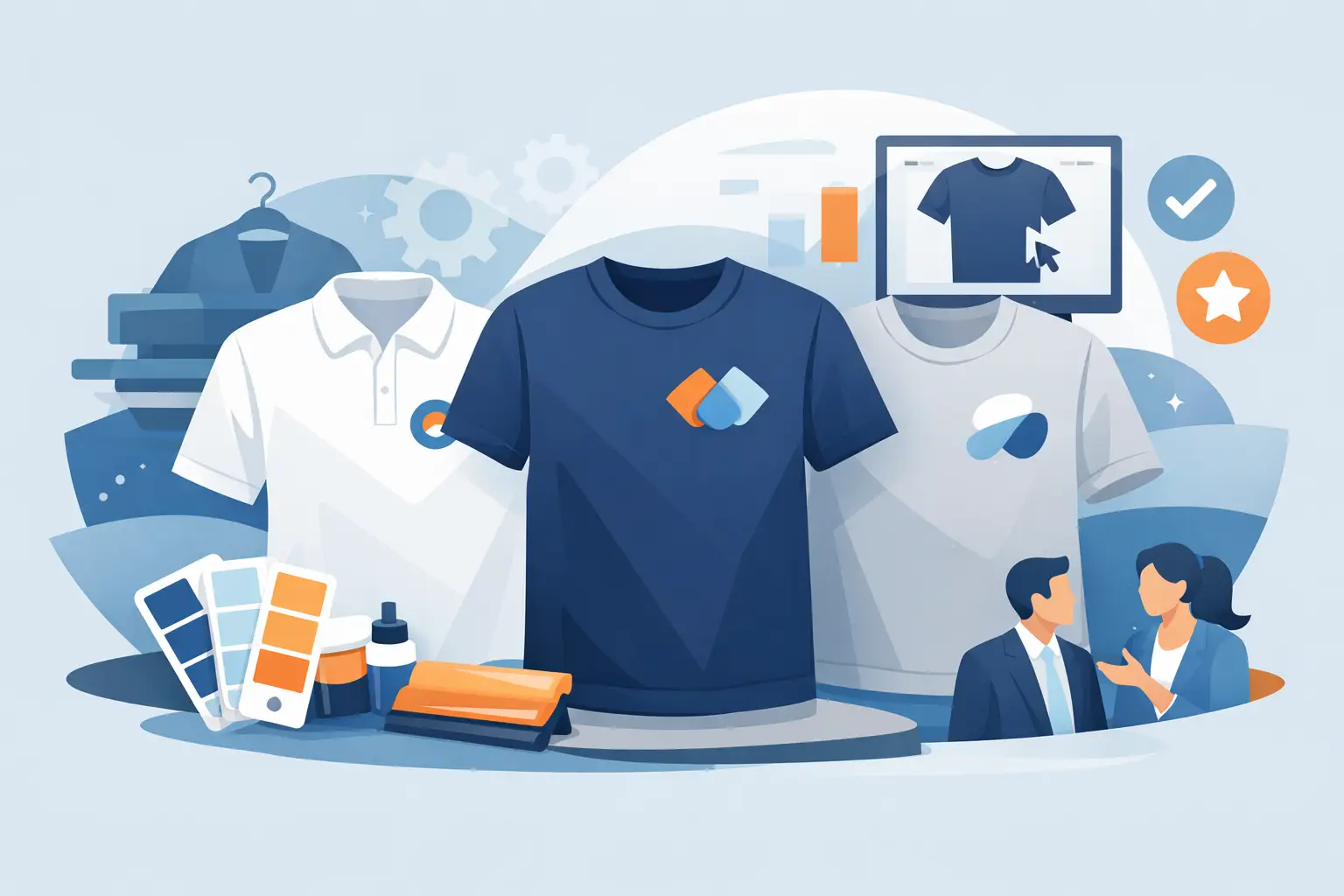
Digital printing works differently. The design is printed directly onto the garment, which cuts down on setup and makes short runs far more realistic. It also allows detailed, full-color graphics without the usual per-color pricing concerns. For customers who need convenience and speed, that is a big advantage.
This is why no minimum custom shirts are especially useful for businesses ordering branded apparel in stages, schools handling small club orders, and event organizers who need to stay flexible as attendance shifts.
When a no-minimum order is the better choice
Small orders are the obvious fit, but that is not the only use case. No-minimum ordering is often the smarter option when the order itself is likely to change.
For businesses, this can mean onboarding kits, trade show apparel, staff gifts, or branded polos and tees for a department rather than the whole company. For schools and teams, it helps with club launches, replacement shirts, senior class apparel, and coach or volunteer items that do not match the main quantity. For personal events, it keeps bachelor and bachelorette parties, reunions, birthdays, and family vacations simple because you can buy only what your group actually needs.
There is also less pressure to guess future demand. If you are setting up merchandise for a fundraiser, company program, or ongoing organization, ordering smaller batches first can be a safer move. You avoid boxes of leftovers and keep your budget focused on apparel that will actually get worn.
What to look for in no minimum custom shirts
Not every no-minimum option is equally useful. Some vendors remove the minimum but make up for it with limited print quality, product restrictions, or complicated ordering steps. If convenience is the goal, the buying process should stay simple from design to delivery.
Start with print capability. If your artwork includes multiple colors, gradients, or detailed branding, make sure the printer can handle full-color designs cleanly. You should not have to strip a logo down to one or two colors just to place a small order.
Next, look at product range. A strong apparel partner should offer more than basic short sleeve tees. Businesses and organizations often need hoodies, sweatshirts, long sleeve shirts, polos, tanks, youth sizes, and headwear as part of the same program. That kind of flexibility matters if you are ordering for different audiences or planning repeat purchases.
The design process matters too. Some buyers have production-ready artwork. Others have a logo file, a rough idea, or no design experience at all. A usable online design tool saves time, but responsive human support still matters when sizing, placement, or file quality is in question.
Finally, pay attention to transparency. If a company advertises no minimums but adds confusing charges around setup, color count, or art handling, the convenience disappears fast. Clear pricing and straightforward production expectations make a big difference.
Cost, quality, and trade-offs
No-minimum ordering is convenient, but buyers should still understand the trade-offs. A single custom shirt will usually cost more per piece than a large bulk order. That is normal. You are paying for flexibility, lower commitment, and the ability to avoid overordering.
For many customers, that still works out in their favor. Buying exactly 18 shirts is often cheaper than being forced to buy 36 just to meet a minimum. The same is true when you need one sample now instead of committing to a full run before everyone approves the design.
Quality depends on both the print method and the garment itself. A premium digital print on a good shirt can look sharp, colorful, and professional. But shirt choice still matters. If the apparel is too lightweight, too boxy, or not aligned with your audience, the finished product may not feel as polished as it should.
That is why it helps to think beyond the print. Consider who will wear the shirt, how often it will be used, and whether this is promotional apparel, team gear, retail-style merch, or a one-time event item. The right blank shirt for a company staff order may be different from the best choice for a summer fundraiser or youth group event.
No minimum custom shirts for different buyers
Businesses often need apparel on demand rather than all at once. New employee shirts, branch-specific branding, conference apparel, and customer giveaways all benefit from flexible ordering. Instead of storing extras, teams can order in smaller quantities as needs come up.
Schools and nonprofits usually work within tight budgets and shifting participation numbers. No-minimum ordering helps them avoid wasted inventory while still producing apparel that looks organized and consistent. It is also useful when different groups within the same organization need separate designs.
For personal events, convenience is usually the deciding factor. If you are organizing a reunion, birthday weekend, or family vacation, you want the shirts to be fun, easy to design, and quick to order. You probably do not want to learn print terminology just to get matching tees.
This is where a service-minded printer can make a real difference. A company like Custom Tees Direct is built around that kind of flexibility, with full-color digital printing, no minimums, broad apparel options, and support for both self-service and guided orders.
How to order without making it complicated
Start with your real quantity, not an inflated guess. If you need six shirts, order six. If you want to test one item before approving a broader rollout, do that first. No-minimum ordering works best when you use it to stay accurate.
Choose the garment based on the audience and occasion. A soft retail-style tee may be perfect for merch or events, while a polo or performance shirt may fit a business or team need better. Then review the artwork with print size, color contrast, and placement in mind. Full-color printing gives you freedom, but clarity still matters.
If you are ordering for a group, collect sizes carefully and think about whether you may need extras later. The good news is that no minimums make reorders much less stressful. You do not have to treat every apparel order like a one-time shot.
No minimum custom shirts are not just about buying less. They are about buying smarter. When the process is simple, the print quality is strong, and the order size fits the actual need, custom apparel becomes much easier to manage. That gives you room to focus on the event, the team, or the brand behind the shirt instead of the mechanics of getting it made.