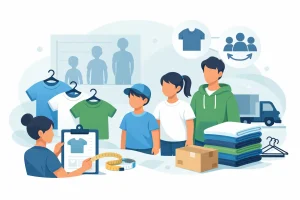




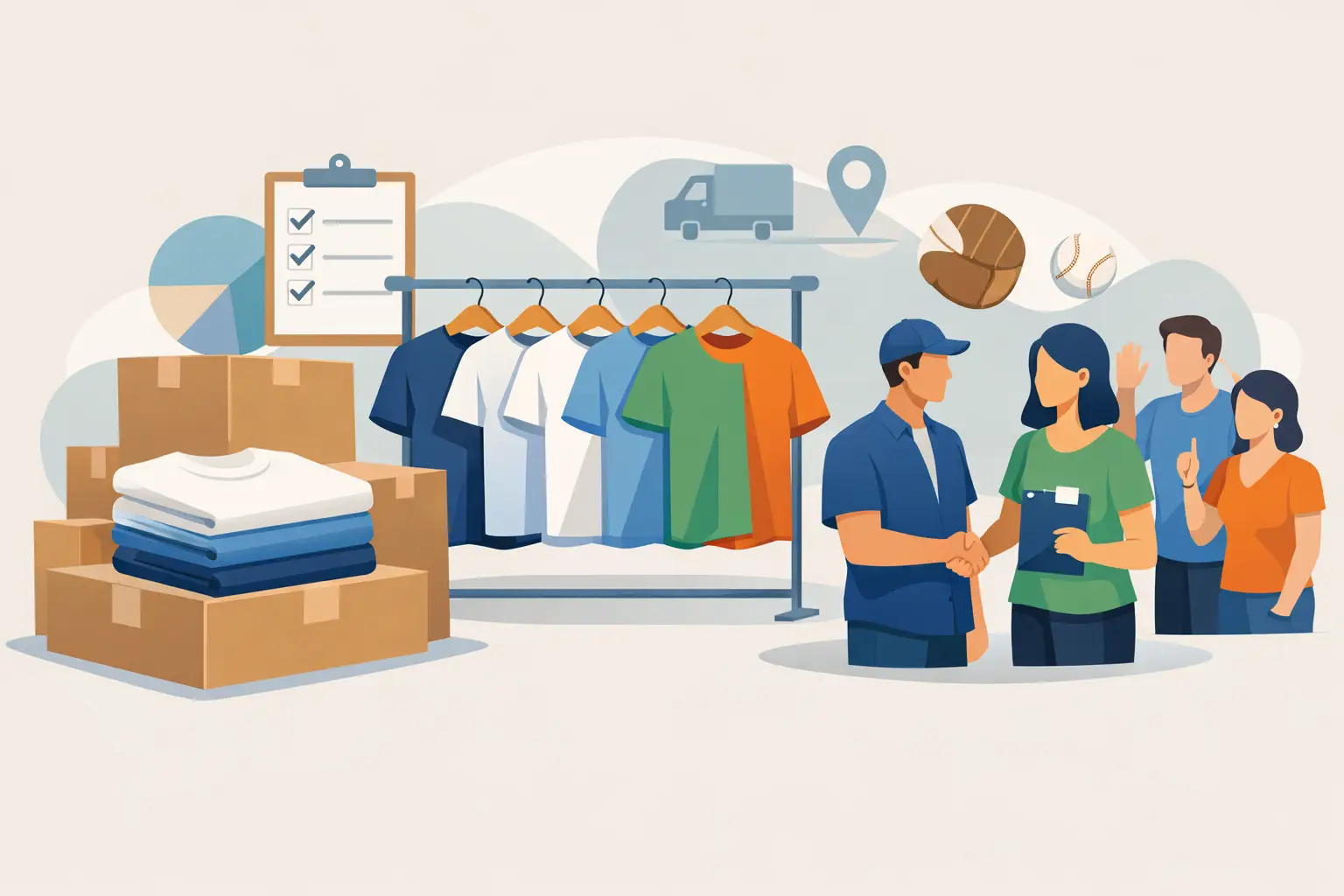
A bulk shirt order can look simple until you are collecting sizes from 40 employees, matching colors to a school logo, and trying to get every package ready before an event date. This guide to bulk shirt ordering gives you a clear process for moving from idea to approved apparel without unnecessary back-and-forth.
Whether you are ordering staff shirts, team gear, fundraiser apparel, reunion tees, or event merchandise, the best results come from making a few decisions in the right order. Start with the purpose, choose garments your group will actually wear, prepare artwork correctly, and leave enough time for approval and production.
Start Your Bulk Shirt Order With a Clear Purpose
The intended use should drive nearly every ordering decision. A lightweight cotton tee may be ideal for a summer 5K, while a durable polo makes more sense for customer-facing staff. Hoodies and crewnecks are often a better fit for school spirit stores, cold-weather teams, and employee appreciation gifts.
Ask where and how the shirts will be worn. Consider whether they need to hold up to repeated washing, work as uniforms, create visibility at a single event, or serve as merchandise people want to buy and wear later. A shirt designed for one afternoon does not need the same fabric weight or feature set as a garment that represents your organization year-round.
Also decide what success looks like. For a volunteer event, clear identification may matter most. For a company promotion, a polished logo placement and brand-consistent color may take priority. For a fundraiser, offering several styles and sizes can help more people participate.
Choose the Right Shirt Before You Build the Design
It is tempting to begin with the artwork, but the garment determines the feel, fit, price point, and visual result. Start by narrowing the category: short sleeve t-shirts, long sleeve tees, hoodies, sweatshirts, polos, tanks, or youth apparel.
Then look at fabric and fit. Classic cotton shirts are familiar, breathable, and dependable for many group orders. Blends can provide a softer feel and may be a strong choice for retail-style merchandise or staff apparel people will wear off the clock. Performance fabrics can be practical for athletic teams, outdoor crews, and active events.
Color deserves the same attention. A dark shirt can make a bright design stand out, while light garments often work well for detailed full-color artwork. If your brand has a specific color standard, compare the available garment shade carefully. The closest option is not always identical, and that distinction matters for established branding.
When an order includes adults, youth, and toddlers, confirm that the selected color and style are available across the full size range. If not, consider a coordinated alternative rather than forcing one garment on every age group.
Build Quantities and Sizes Without Guesswork
Size collection is one of the most common places for bulk orders to stall. The easiest approach is to collect actual sizes from each participant before placing the order. Use a simple form or spreadsheet that records the person’s name, garment style, color, and size.
For employee uniforms, school programs, or teams where you know every recipient, exact counts are the smart choice. For public events or merchandise tables, ordering a size run is more practical. In most adult groups, medium through extra-large will represent the highest volume, but the right mix depends on your audience. Do not default to a generic ratio if you have past sales data or registration details that can guide you.
Add extras only when they solve a real need. A few backup shirts can help with late sign-ups, sizing mistakes, volunteers, or last-minute staff. Too many extras can tie up budget and leave you with unusable inventory, especially when the design includes a dated event name.
Before submitting quantities, check these details together:
- Total units by style, color, and size
- Adult, youth, toddler, or infant garment needs
- Names, numbers, or other personalized details
- Whether extras should be blank, printed, or held for replacements
A clean quantity sheet protects your budget and makes approval much faster.
Prepare Artwork That Prints Clearly
Great apparel starts with artwork that is built for the garment, not just copied from a flyer or social post. A logo may need larger type, simplified detail, or a different layout to stay readable on a shirt. Fine lines and small text can look sharp on a screen but disappear when viewed from several feet away.
Use the highest-quality file available. Vector artwork is preferred for logos because it can scale cleanly. High-resolution PNG files with transparent backgrounds can also work well for many designs. Avoid screenshots, low-resolution web images, and photos of existing printed shirts whenever possible.
Think about placement before finalizing the design. A left-chest logo feels professional for uniforms and polos. A full-front design creates more impact for event shirts. A large back print can be useful for sponsor recognition, team rosters, or volunteer identification. If you need multiple print locations, confirm that each one serves a purpose rather than adding visual clutter.
Digital printing is especially useful when your design includes photographs, gradients, detailed illustrations, or many colors. With Custom Tees Direct, full color comes with no per-color charges, so you do not have to reduce a strong design just to stay within a traditional color-count limit.
Approve the Details That Affect Production
A proof is your final checkpoint. Review it as if you are seeing the shirt for the first time, because after production begins, changes may no longer be possible. Verify spelling, dates, names, phone numbers, sponsor logos, and social handles. Check that the selected garment color is correct and that every print location is shown.
Pay particular attention to small details in personalized orders. A single incorrect jersey number or misspelled last name can create a replacement need that delays distribution. Provide personalization in a typed, final format rather than handwritten notes or multiple conflicting files.
If several stakeholders need to approve the order, designate one final decision-maker. Committees can offer valuable input early in the process, but production needs a clear go-ahead from one person. This is especially helpful for schools, nonprofits, and corporate teams with several departments involved.
Set a Timeline That Allows for Real Decisions
Your in-hand date matters more than your event date. If shirts must be packed into welcome bags the day before a conference, that packing day is the deadline. Work backward to allow time for artwork preparation, size collection, proof review, production, shipping, and distribution.
Rush planning can create avoidable compromises. You may have fewer garment options, less time to correct artwork, or no room for a late size change. Starting early gives you better control over the product, especially for seasonal events, school programs, and large orders with multiple apparel styles.
If the date is close, keep the order simple. Choose readily available garments, limit style variations, use one approved design, and collect all information before requesting production. A simple, accurate order is usually more valuable than an ambitious order that arrives late.
Use the Right Ordering Method for Your Group
A single buyer can place a standard group order after collecting sizes and payment. That is often the fastest route for staff apparel, events, and team shirts. For ongoing programs, a managed online storefront can reduce administrative work by allowing members, families, or employees to order approved merchandise directly.
No minimums are useful when your needs do not fit a standard bulk model. You can order one replacement shirt, test a new design, add apparel for a late hire, or create a small run for a special group without being forced into surplus inventory. For larger quantities, the same flexibility helps organizations combine different sizes, styles, and garment categories around one coordinated look.
If you are unsure about artwork, garment choices, or quantities, get help before the order reaches the proof stage. A real conversation can prevent the kind of mistake that a checkout page cannot catch.
The right bulk shirt order is not the one with the most options. It is the one your group can wear confidently, receive on time, and recognize as clearly made for them. Start with a focused purpose, give the approval process the attention it deserves, and your apparel can do its job long after the event is over.