



Ordering one custom shirt should not require convincing nine other people to buy one too. So, what is no minimum printing? It means you can order custom apparel in the quantity you actually need, whether that is one full-color t-shirt for a birthday, six hoodies for a staff gift, or 200 shirts for a school event.
No minimum printing removes the traditional order threshold often associated with custom apparel. Instead of being required to meet a minimum quantity before production can begin, you can personalize a single item or place a small order without adding unwanted extras to your cart.
What Does No Minimum Printing Mean?
No minimum printing is a custom printing option that allows customers to order as few as one decorated item. There is no required minimum number of shirts, hoodies, hats, or other products needed to submit an order.
This flexibility is especially useful when the design, sizes, or recipients are unique. A coach may need one replacement jersey. A small business owner may want to test branded polos before outfitting the entire team. A family may need a few reunion shirts in different sizes, including youth and infant apparel.
The key point is simple: you buy what you need. You do not have to order extra apparel simply to qualify for printing.
Why Traditional Printing Often Has Minimums
Traditional screen printing is highly effective for larger orders with a simple, repeatable design. But it requires setup work before the first shirt is printed. Each ink color usually needs its own screen, and those screens must be prepared, aligned, and cleaned after production.
That setup takes time whether the order contains one shirt or 100 shirts. For that reason, many screen printers set minimum order quantities and charge more as the number of colors increases. The process makes financial sense for large runs, but it can be limiting for customers who only need a few items.
No minimum printing is commonly made possible by digital print methods. Digital production reduces or eliminates the screen setup that makes small screen print orders impractical. Artwork can be prepared electronically and printed in full color, allowing production to start without waiting for a large quantity.
How Digital No Minimum Apparel Printing Works
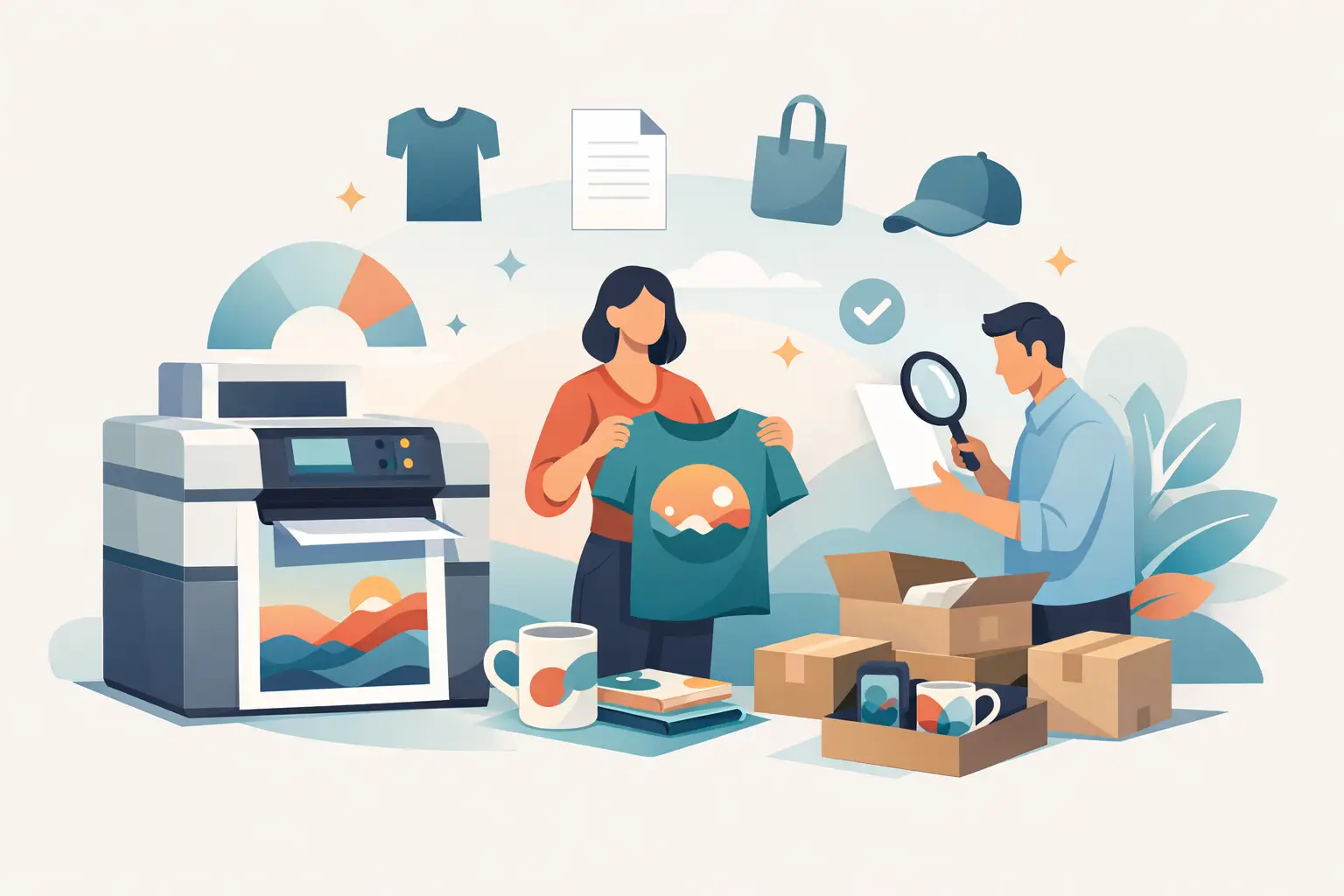
With digital apparel printing, your design is processed as a digital file and applied directly to the garment or through a professional transfer process, depending on the product, fabric, and artwork. This is what makes one-off and small-batch orders much more practical.
For customers, the ordering experience is straightforward. Choose a product, select colors and sizes, upload artwork or build a design, review the placement, and order the quantity you need. An online Design Lab can make this process manageable even if you are starting with a logo, a photo, or just a text idea.
Digital printing also supports detailed artwork that may be difficult or expensive with traditional methods. Photographs, gradients, shaded illustrations, and designs with multiple colors can be printed without creating a separate screen for every color. At Custom Tees Direct, full color is available at no extra per-color charge, which makes budgeting clearer from the start.
That does not mean every project should be treated exactly the same. Fabric type, garment color, artwork detail, and intended use all affect which print approach and product will deliver the best result. A good printing partner will help you make those decisions before production.
When No Minimum Printing Makes the Most Sense
No minimum printing is a practical fit whenever demand is small, uncertain, personalized, or spread over time. It gives organizations and individuals room to order without overcommitting inventory or budget.
It works particularly well for four common situations:
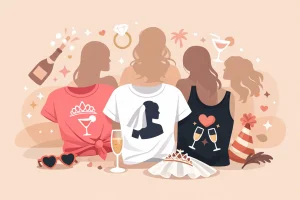
- Personalized gifts and celebrations: Create individual birthday shirts, bachelorette party apparel, retirement gifts, memorial shirts, or family keepsakes without overordering.
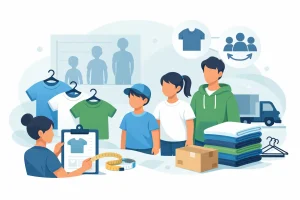
- Small teams and staff orders: Outfit a new hire, create a few branded polos for a sales team, or replace an item for a coach or volunteer.
- Testing a design or product: Order samples before committing to a larger campaign, fundraiser, or company apparel rollout.
- Ongoing merchandise needs: Reorder items as new members join a club, school group, nonprofit, or business instead of storing boxes of extra sizes.
For many buyers, the biggest benefit is control. You can make decisions based on current needs rather than a printer’s minimum quantity.
The Benefits Beyond Ordering Just One Shirt
The obvious advantage is flexibility, but no minimum printing also solves several operational problems. Small businesses can maintain a professional look without carrying excess apparel. Schools and organizations can accommodate late sign-ups. Event planners can handle last-minute additions without starting a full group order over again.
It also supports better personalization. If every participant needs a different name, number, role, or size, ordering only what is needed keeps the project organized. This is useful for team apparel, staff recognition, club leadership, and family events where a one-size-fits-all order rarely works.
Full-color capability is another major advantage. With digital printing, a multicolor logo or event graphic does not necessarily trigger per-color charges. That gives customers more freedom to use brand colors, detailed art, and photo-based designs without simplifying the concept solely to fit a screen print budget.
For repeat needs, no minimums can make branded merchandise easier to manage. An organization can use a managed online storefront or order directly as needs arise, rather than collecting sizes and payments every time someone wants a shirt. The right option depends on how often you order and how much control you want over product choices and fulfillment.
Does No Minimum Printing Cost More?
It depends on the order size and printing method. A single custom shirt may have a higher per-item cost than the same shirt purchased in a large quantity. That is normal because larger orders can spread production time across more items and may qualify for volume pricing.
However, the lowest price per shirt is not always the lowest total cost. Ordering 24 shirts when you only need eight can leave you with unused inventory, the wrong sizes, and money tied up in extra apparel. For a small or personalized order, paying appropriately for the exact quantity often makes better business sense.
The best question is not just, “What is the unit price?” Ask, “How many items will we actually use?” Consider the garment quality, print detail, turnaround time, shipping, and whether you may need reorders later. A transparent quote helps you compare the true cost of each option.
What to Check Before You Order
No minimums make ordering easier, but a few details still matter. Start with the garment. A lightweight event tee, a premium retail-style shirt, a hoodie, and a polo each serve different purposes. Think about who will wear it, how often it will be washed, and whether the item needs to feel casual, polished, athletic, or durable.
Next, review the design at the size it will print. Fine text, low-resolution images, and artwork placed too close to a seam can affect the final result. If you are not sure whether your file is ready, design support can save time and prevent avoidable revisions.
Finally, plan around timing. No-minimum digital production is often faster than a traditional setup-heavy process, but every order still needs artwork review, production time, and shipping. For a deadline-driven event, place the order early enough to allow for adjustments.
No Minimum Printing for One Order or Ongoing Needs
No minimum printing is not only for one shirt. It is a flexible production model that works at different stages of an organization or event. You can order a single sample today, a small staff run next month, and a larger event order later using the same approved design.
That flexibility is valuable for businesses with changing headcounts, schools with rolling enrollment, and nonprofits with volunteer-driven events. It also gives individuals the freedom to create meaningful apparel without turning a personal idea into a complicated group project.
If your order is small, personalized, or still taking shape, start with the quantity you truly need and choose a garment that fits the occasion. You can always order more when the demand is there.