



If you have ever been asked to order shirts for a company event, school fundraiser, team season, or family celebration, you already know the hardest part is rarely the printing. It is getting all the moving pieces right at the same time. This guide to custom apparel ordering is built to make that process simpler, faster, and a lot less frustrating.
Custom apparel can be easy to buy when you know what affects the final result. Product choice, artwork, quantity, sizing, and deadlines all matter, but not always in the same way. A small order for a birthday trip has different priorities than a bulk order for staff uniforms or a long-term merch program for a nonprofit. The right approach depends on what you are ordering, who will wear it, and how quickly you need it.
Start with the use case, not the shirt
A common mistake is choosing apparel based on price alone. That can work for a quick giveaway, but it often leads to the wrong fit, fabric, or print outcome. Before you pick a product, get clear on where the apparel will be used and how often it will be worn.
For a one-day event, a basic tee may be the right call. For employee apparel, polos or premium shirts may present better and hold up longer. For school spirit wear or online merch sales, offering a mix of tees, hoodies, and youth sizes usually makes more sense than trying to force everyone into one item.
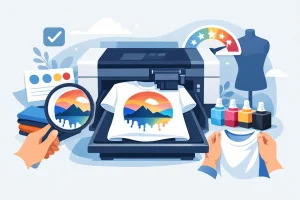
This is where digital printing can be a major advantage. If you need full-color artwork, personalized designs, or a mix of products without building a huge order, digital printing gives you more flexibility than traditional methods that are tied to setup-heavy production. That matters when your order is not perfectly uniform, which is true for most real-world buyers.
The guide to custom apparel ordering begins with product selection
Once your use case is clear, the next step is matching the product to the audience. Adults buying company-branded apparel tend to care about fit and softness. Coaches and PE staff may prioritize durability. Parents ordering for kids want clear sizing and easy care. Event organizers usually want a balance between budget and appearance.
Think about fabric first. Cotton can feel familiar and comfortable, while blends often offer a softer hand and better shape retention. Performance fabrics make sense for active teams or outdoor events, but may not be the best fit for every design style. If your artwork is bold and colorful, choose apparel that supports strong print contrast.
Then consider the style mix. A single shirt option is easier to manage, but not always better for participation. If your group includes men, women, youth, toddlers, or infants, it may be worth offering multiple cuts and size ranges. The more inclusive your product mix, the more likely people are to actually wear what you order.
Artwork: what looks good on screen is not always ready to print
A surprising number of delays start with artwork. A logo pulled from a website, a screenshot from social media, or a photo sent over text may look fine at first glance but fail when printed at size. Resolution, file quality, transparency, and placement all affect the final output.
If you already have brand assets, use the highest-quality version available. Vector files are ideal for logos, but high-resolution PNG files can also work well depending on the design. For photo-based prints, clarity matters more than complexity. A busy design with too many small details may lose impact on apparel, especially on smaller garments.
This is also where buyers tend to overcomplicate things. More graphics do not always create a better shirt. In many cases, one clean front design and a well-placed back print will look more polished than trying to fill every inch of space. Keep readability in mind, especially for school names, sponsor lines, event titles, and dates.
If you are not a designer, that should not stop the order. The best ordering process gives you tools to build something workable on your own and access to real support when you need help refining it.
Sizing is where good orders go sideways
Even a great design can disappoint if the size run is wrong. This is especially true for group orders where one person is collecting sizes from employees, students, volunteers, or extended family. Guessing creates waste. So does relying on what people usually wear without checking the actual product measurements.
Whenever possible, use a sizing chart tied to the specific garment. Different brands and cuts can fit very differently. A unisex tee may work well for broad distribution, while retail-style fits can run more narrowly. Hoodies and sweatshirts also need extra attention because people often size up depending on how they want them to fit.
For organizations, it helps to collect sizes in a single pass with a hard deadline. If the apparel is for resale or a storefront, offering a wider size range can improve participation, but it also requires better planning around inventory or fulfillment. There is no perfect formula here. It depends on whether you are ordering for one event, ongoing use, or individual buyers placing their own orders.
Quantity, pricing, and why order flexibility matters
Older custom printing models often pushed customers toward bigger orders whether they needed them or not. That made sense when setup costs and color counts drove the economics. Today, that is not always the best fit.
If you only need one shirt for a sample, 12 for a department, or 40 mixed items for a fundraiser team, a no-minimum model can be more practical. It lets you buy what you actually need instead of padding the order to reach an artificial threshold. It also gives small groups, startups, and personal event organizers access to custom apparel without overcommitting.
Full-color printing with no per-color charges is another major advantage, especially for logos with gradients, photos, or detailed artwork. When the print method supports color freedom, buyers do not have to simplify a good design just to control cost. That can improve both branding and buyer satisfaction.
That said, bigger orders can still have efficiencies depending on the products and production path. If your team is ordering for several departments or multiple upcoming events, it may be worth discussing whether to combine needs now or spread them over time. The right answer depends on urgency, budget, and how likely your sizes or staffing will change.
Timing matters more than most buyers expect
Apparel deadlines are usually tied to a real date – a trade show, field day, grand opening, tournament, reunion, or holiday sale. That means every revision or missing approval has a direct cost. Rush ordering is possible in some cases, but it is always easier and safer to build in review time.
The smartest way to manage timing is to work backward from the wear date, not the order date. Give yourself room for product selection, artwork approval, size collection, and shipping. If multiple stakeholders need to approve the design, add even more buffer.
For recurring programs, the best solution is often not to repeat the same manual order process every time. A managed storefront or print-on-demand setup can save time, reduce admin work, and keep ordering consistent across teams or locations. That is especially useful for schools, nonprofits, franchises, and businesses with ongoing apparel needs.
A practical guide to custom apparel ordering for different buyers
Business buyers usually need consistency, brand accuracy, and a clean ordering process. They may be ordering polos for staff, shirts for a conference, or branded merch for clients. In those cases, dependable print quality and easy reordering matter as much as the initial price.
Schools and teams often need broader size ranges, youth options, and apparel that works for both participants and supporters. Flexibility matters here because the audience is mixed and deadlines are fixed.
Nonprofits and event planners usually care about visibility and budget control. They may need one shirt for volunteers, another for donors, and a third option for resale. Being able to run full-color designs across different garments without complicated setup can make that much easier.
Personal buyers want the process to feel simple. They are often ordering for birthdays, reunions, baby showers, vacations, or bachelor and bachelorette weekends. They may not have design files or apparel experience, so convenience and support make a big difference.
What a smooth ordering experience should look like
A strong custom apparel partner should make the process easier at every step. That means clear product options, straightforward pricing, flexible quantities, and support that is actually available when questions come up. It also means tools that let confident buyers move fast while still helping first-time customers get to a solid result.
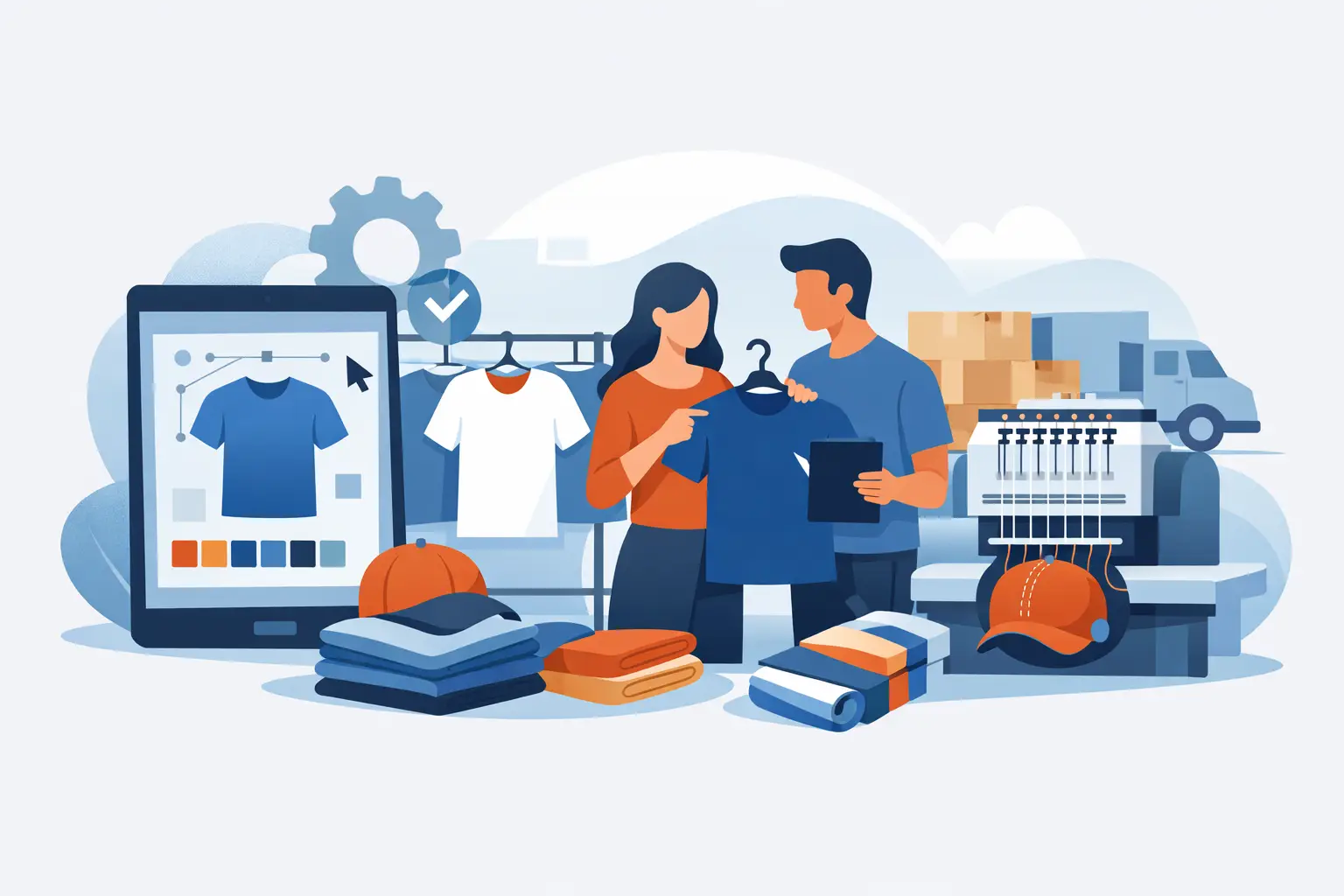
Custom Tees Direct is built around that kind of workflow. Buyers can create in an online Design Lab, request help when needed, order one item or many, and use full-color digital printing without getting trapped by per-color pricing or old-school order minimums.
The best custom apparel orders are not the ones with the most complicated artwork or the biggest volume. They are the ones that arrive on time, look right, fit the audience, and feel easy to reorder when the next need comes up. If you start with the use case and make decisions from there, the rest of the process gets much easier.