



You need shirts for a school fundraiser, polos for a staff team, or hoodies for a reunion, and the same question comes up fast: what is custom apparel printing? In simple terms, it’s the process of adding your design, logo, message, or artwork to clothing made for a specific group, event, brand, or occasion. That can mean one shirt or thousands, a simple front logo or a full-color graphic, and a fast online order or a more hands-on managed project.
Custom apparel printing is less about the shirt itself and more about creating something specific to your purpose. A business may need branded polos that look consistent across locations. A coach may need practice shirts with player names. A nonprofit may need event tees that are affordable and easy to reorder. The printing method, garment choice, and order size all affect the final result.
What Is Custom Apparel Printing Used For?
Custom apparel printing covers a wide range of needs because branded clothing solves more than one problem at a time. It creates visibility, helps groups look organized, and gives people something practical they will actually wear.
Businesses use it for employee uniforms, trade shows, client gifts, and company merch. Schools and teams use it for spirit wear, clubs, field days, and fundraising. Event organizers order shirts for races, family reunions, birthday trips, and volunteer groups. Individuals use it for one-off gifts and personal celebrations where matching apparel helps mark the moment.
That flexibility is a big reason custom printing has grown beyond bulk t-shirt orders. Buyers now expect more choices in product type, better print quality, and the option to order small runs without paying for a large setup.
How Custom Apparel Printing Works
At a basic level, the process starts with a garment and a design. You choose the item, such as a t-shirt, hoodie, tank top, polo, hat, or youth shirt, then place artwork on one or more print areas. That artwork can be a company logo, text, photo, illustration, or a mix of all four.
From there, the print provider prepares the file for production. That may include adjusting size, checking image quality, matching placement, and confirming garment compatibility. Once approved, the design is printed using a specific method, packed, and shipped.
The part many buyers miss is that not every print method works the same way. Some are better for large bulk orders. Some are better for small batches. Some are ideal for simple spot-color graphics, while others are built for detailed, full-color artwork. If you are ordering for a business, school, or event, that difference matters because it affects cost, turnaround time, and how your design looks on fabric.
Common Methods in Custom Apparel Printing
Digital printing
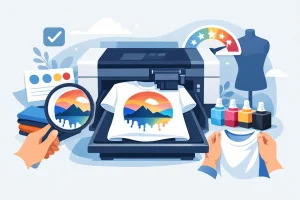
Digital printing is one of the most flexible options in modern custom apparel production. It allows full-color designs to be printed directly onto garments without the setup steps required in traditional screen printing. That means no per-color charges, easier personalization, and a smoother process for short runs or mixed orders.
This is especially useful if your artwork includes gradients, photos, multicolor logos, or detailed graphics. It also works well when you need just one item, a few pieces, or several different designs in the same order. For organizations that want convenience and visual quality without getting into print math, digital printing is often the easiest fit.
There are trade-offs. On some garments or for very high-volume jobs, another method may make more sense. But for buyers who value speed, low friction, and unlimited color, digital printing is a strong option.
Screen printing
Screen printing pushes ink through a mesh screen onto the garment, usually one color at a time. It has been a standard in the industry for years and can be cost-effective for larger orders with simpler designs.
The catch is setup. Each color typically requires its own screen, so pricing and prep become more involved as the design gets more complex. For a large run of shirts with a one-color or two-color design, screen printing may be a smart route. For small orders or artwork with lots of colors, it can be less efficient.
Heat transfer and specialty methods
Some custom apparel is made with transfer-based methods, where a design is applied using heat and pressure. This can be useful for names, numbers, small customizations, or specific material needs. Embroidery is another option for polos, hats, and outerwear where a stitched finish fits the look better than a printed graphic.
The right choice depends on the garment, the artwork, and the purpose of the order. A staff polo and a reunion t-shirt do not need the same production approach.
What Affects Price?
When people ask what is custom apparel printing, they often mean one practical thing: what will this cost me? The answer depends on more than quantity.
Garment type is one factor. A basic short sleeve t-shirt costs less than a premium hoodie or performance polo. Print size and print locations matter too. A small left chest print is different from a large front graphic plus a back design.
Production method also changes pricing. Traditional methods may involve setup fees or per-color costs, while digital printing often simplifies pricing for full-color art. Turnaround time can affect cost if you need rush production, and brand-name garments usually carry a premium over standard options.
The good news is that custom apparel is much more flexible than it used to be. You no longer need to commit to huge quantities just to make an order worthwhile. For many buyers, especially small businesses and event planners, no-minimum ordering changes the equation completely.
Choosing the Right Apparel for Your Project
The best print method will not save the wrong garment. If the shirt feels cheap, fits poorly, or does not match the setting, the final product will fall short even if the print looks great.
For business use, polos, soft tees, and branded layers usually make sense because they balance comfort with a professional look. For schools and nonprofits, budget-friendly tees and sweatshirts are often the most practical because they support group orders and fundraising. For sports organizations, moisture-wicking styles, practice shirts, and fan gear may all serve different needs within the same program.
It also helps to think about who will wear the item after the event. A shirt that gets worn once is a cost. A shirt people reach for every week becomes ongoing visibility for your brand, team, or cause.
What to Look for in a Printing Partner
A good custom apparel provider should make the process easier, not more confusing. That starts with clear pricing, practical product choices, and responsive support. If you need to chase answers, guess at artwork requirements, or place a large order without confidence in the result, the process is not set up well.
Look for a partner that can support both self-service and human help. Some buyers know exactly what they want and just need an easy design tool. Others need guidance on garment selection, print method, or branding consistency across multiple orders. A company that can handle both tends to be more useful over time.
This is where a digital-first approach stands out. For example, Custom Tees Direct focuses on full-color digital printing, no minimums, and an online Design Lab that helps customers build apparel without needing design experience. That model works well for buyers who want speed and flexibility without giving up support.
What Is Custom Apparel Printing Really Buying You?
You are not just buying ink on fabric. You are buying clarity for your group, visibility for your message, and a smoother way to organize apparel for real-world use. Sometimes the goal is branding. Sometimes it is team identity. Sometimes it is just making sure everyone at an event can find their group in a crowd.
The reason custom apparel remains so useful is simple: it turns a basic product into something specific and functional. When the print method matches the artwork, the garment fits the audience, and the ordering process stays simple, custom apparel becomes one of the easiest ways to make your brand, event, or idea visible.
If you are ordering soon, start with the purpose first. Once you know who it is for, how many you need, and what the design needs to do, the right printing approach gets much easier to choose.