



A staff shirt for a trade show, a fundraiser tee for a school, a team hoodie, a one-off birthday shirt – they all start with the same question: what is custom t shirt printing? At its simplest, it means adding a unique design, logo, message, or artwork to blank apparel so it fits a specific brand, group, event, or purpose. What changes from order to order is how the design is applied, how many pieces you need, and what kind of finish makes the most sense.
What is custom t shirt printing and how does it work?
Custom t shirt printing is the process of decorating apparel with original graphics, text, photos, brand marks, or personalized details. Instead of buying a pre-printed shirt off a retail shelf, you choose the garment, upload or create a design, select placement and sizes, and have the shirts printed to match your exact needs.
For some buyers, that means outfitting a team with matching polos. For others, it means ordering one baby onesie with a family saying, or 300 event shirts with sponsor logos. The core idea is the same: you control the look, and the printer handles production.
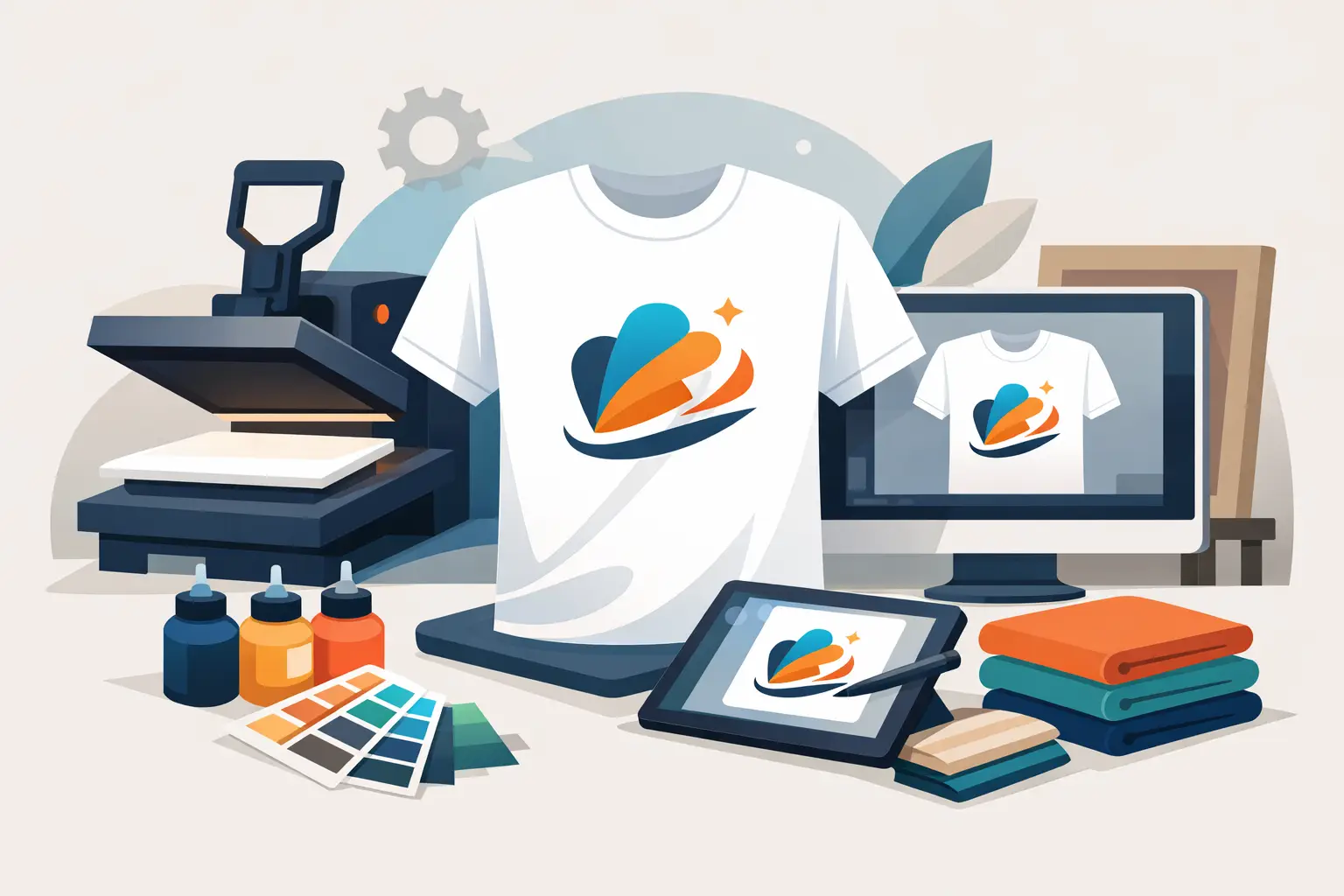
The process usually starts with four decisions. First, you pick the apparel type, such as short sleeve tees, hoodies, tank tops, youth shirts, or hats. Next, you create or submit artwork. Then you choose where the design will print – front, back, sleeve, left chest, or a combination. Finally, you confirm quantities, sizes, and turnaround.
From there, the print provider prepares the artwork for production and applies it using a specific printing method. That method matters because it affects color range, setup time, feel on the garment, and minimum order flexibility.
The main types of custom t shirt printing
There is no one-size-fits-all print method. The right choice depends on your artwork, budget, timeline, and order size.
Digital printing
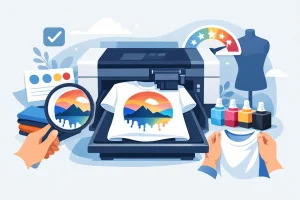
Digital printing is one of the most flexible options for custom apparel. It works by printing the design directly onto the garment, much like a high-precision printer applies ink to paper, but with equipment built for fabric.
This method is especially useful when your design includes full-color artwork, gradients, small details, or even photo-quality images. It also works well for short runs and one-off orders because there are fewer setup requirements than with traditional methods. If you need a single shirt, ten staff samples, or a mixed-size event order without the hassle of per-color fees, digital printing is often the most practical choice.
That flexibility is a big reason many businesses and organizations prefer it. You can print complex artwork without simplifying every color, and you do not have to commit to a large order just to make production worthwhile.
Screen printing
Screen printing pushes ink through a stencil, or screen, onto the garment. It has been a standard in apparel decoration for years and still makes sense for certain jobs, especially larger runs with simple artwork.
The trade-off is setup. Each color typically needs its own screen, so multi-color designs can become more labor-intensive and less cost-effective for small orders. For a basic one- or two-color logo on hundreds of shirts, screen printing can be a strong option. For detailed full-color art on a handful of shirts, it may not be the best fit.
Heat transfer and specialty methods
Some projects use transfer-based methods, vinyl, or specialty applications for specific effects. These can be useful for names and numbers, metallic finishes, or other decorative details.
They are not always ideal for every bulk order, and the final feel can differ from direct printing. Still, for certain team, promotional, or fashion-focused applications, they can solve a very specific need.
Why businesses, schools, and groups use custom printing
Most customers are not ordering custom shirts just to have shirts. They need apparel to do a job.
A business may need branded polos for a customer-facing team, giveaway shirts for a conference, or merch for an online storefront. A school might need spirit wear, club shirts, field day apparel, or fundraiser items. Nonprofits often use shirts to build visibility at community events. Families and friend groups use them for reunions, trips, weddings, and milestone celebrations.
Custom apparel works because it is practical and visible. It helps people look organized, reinforces a brand, and gives a group something tangible to wear and keep. When ordering is easy and quantities are flexible, it becomes a useful tool instead of a complicated project.
What affects the cost?
When people ask what is custom t shirt printing, they are often really asking a second question: what will it cost me?
Pricing depends on a few factors, including the garment itself, print size, number of print locations, artwork complexity, and total quantity. A basic cotton tee with a simple front print costs less than a premium hoodie with front and back decoration. Youth sizes, performance fabrics, and specialty garments can also shift pricing.
The print method matters too. Traditional setups can add cost before the first shirt is even produced, especially with multi-color art. Digital printing often avoids those setup-heavy steps, which can make it easier to order smaller quantities or highly detailed designs without extra charges tied to color count.
That does not mean one method is always cheaper than the other. It depends on the order. Large runs with simple art may lean one way. Small runs with complex graphics may lean another. The best print partner will explain the trade-offs clearly instead of forcing every job through the same process.
How to choose the right printing approach
The smartest place to start is not the print method. It is your goal.
If you need one shirt for a birthday, a dozen full-color staff samples, or a short-run event order with multiple names and sizes, flexibility matters most. If you need hundreds of matching shirts with a simple design, production efficiency may matter more. If your artwork includes a photo, gradient, or many colors, you need a method that can reproduce those details accurately.
Garment choice also plays a role. A design that looks great on a lightweight tee may need adjustment for a fleece hoodie or a performance shirt. Placement matters as well. A left chest logo sends a different message than a large front graphic, and a back print can add useful information such as staff titles, sponsor names, or event dates.
For many buyers, especially first-time buyers, the easiest path is working with a provider that offers both self-service design tools and real human support. That way, you can build something quickly online, but still ask questions before production if you are unsure about sizing, artwork, or product selection.
What makes a good custom print order?
A good order starts with clear artwork and a realistic use case. Think about who will wear the item, how often it will be used, and what you need it to communicate. A company uniform should feel polished and readable. A reunion shirt can be more playful. A fundraiser shirt needs to balance design impact with budget.
Color choice deserves attention. Bright ink on a dark shirt can pop, but contrast has to be managed carefully. Small text may look fine on a screen and feel too tight once printed. Photos and detailed logos should be reviewed at print size, not just enlarged on a monitor.
It also helps to plan sizes and quantities early. Group orders tend to get delayed when no one knows how many youth mediums or adult 2XLs are needed. A smooth approval process can save days.
What to expect from a modern custom apparel provider
Today, custom printing should be straightforward. You should be able to choose products, build or upload a design, see a preview, and place an order without chasing down basic answers. If your order is more complex, you should also be able to request help, get a quote, or talk to a real person who understands apparel production.
That matters because not every buyer comes in with the same needs. One customer wants a single personalized shirt. Another needs recurring merch fulfillment for a growing brand. Another needs apparel for a school event next week. A capable provider should support all three without making the process feel bigger than it is.
For customers who need full-color designs, fast setup, and no minimum order pressure, a digital-first printer like Custom Tees Direct can remove a lot of the friction that used to come with custom apparel.
So, what is custom t shirt printing really?
It is a way to turn blank apparel into something useful, branded, personal, or saleable. Sometimes that means one shirt. Sometimes it means a full program of uniforms, event gear, or online merchandise. The best setup depends on your artwork, your timeline, and how many pieces you actually need – not on a generic rule.
If you start with the purpose, choose the right garment, and work with a printer that makes ordering simple, custom apparel stops feeling complicated and starts doing exactly what it is supposed to do.