



Need 12 staff shirts for a trade show, one spirit tee for a student, or 200 fundraiser hoodies with a photo-heavy design? Digital shirt printing solves a problem that traditional methods often complicate. It gives businesses, schools, teams, nonprofits, and event organizers a faster way to order custom apparel without being boxed in by minimums, color limits, or long setup times.
What digital shirt printing actually changes
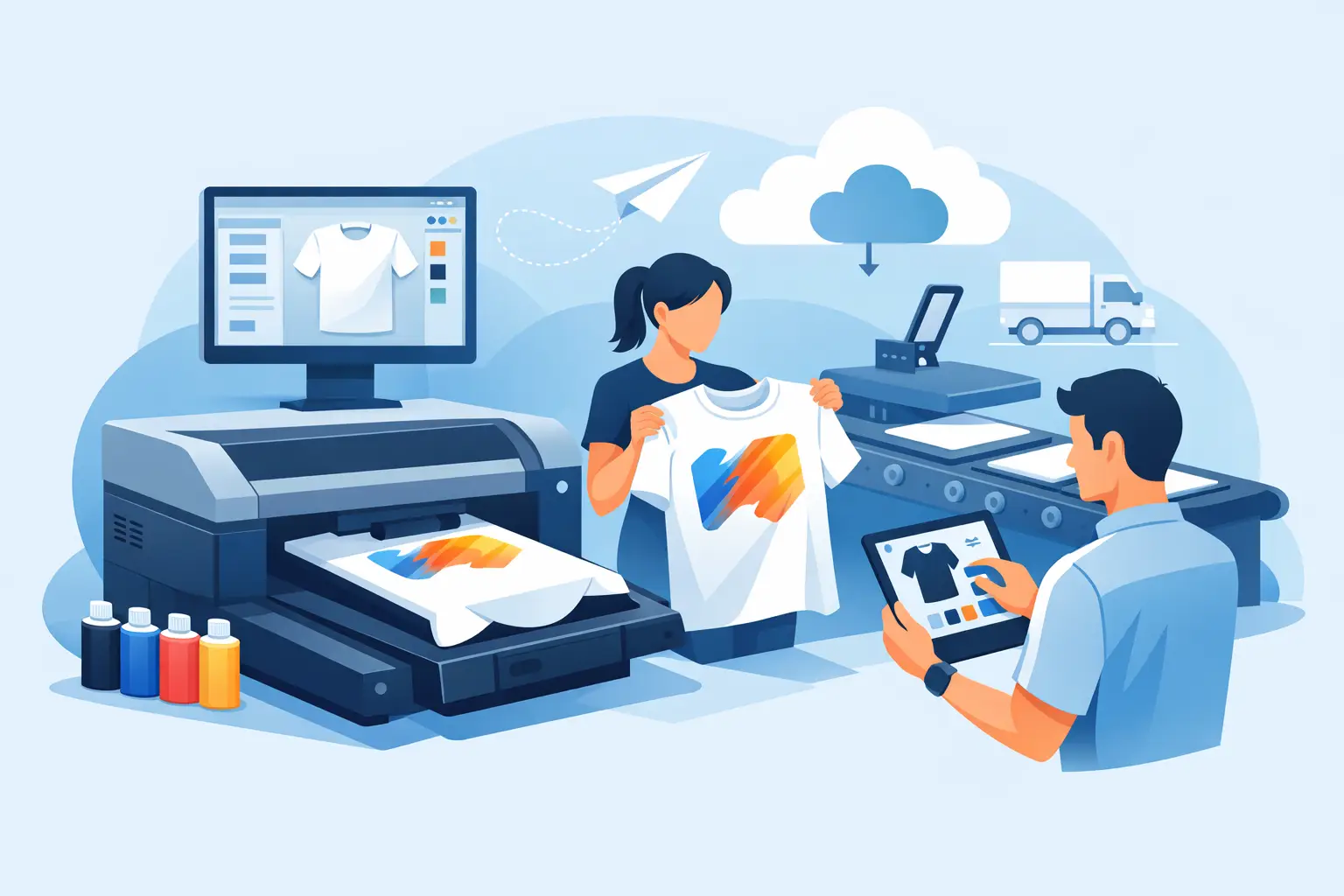
The biggest difference is flexibility. With digital shirt printing, artwork is printed directly onto the garment in full color, which means you are not paying extra every time your design uses another shade, gradient, or detailed image. That matters if you are printing a company logo with multiple brand colors, a school club design with fine text, or a family reunion shirt built from a phone photo.
Traditional screen printing still has its place, especially for very large runs with simple artwork. But many customers are not ordering 500 identical shirts with a one-color logo. They need a method that works just as well for one shirt as it does for 50 or 150. They need speed, clean detail, and fewer barriers between the idea and the finished product.
That is where digital printing stands out. It removes a lot of the friction that used to make custom apparel feel like a project instead of a purchase.
Why digital shirt printing works for modern orders
Most apparel orders are not as simple as they look on paper. A small business may need employee polos this week, event shirts next month, and branded giveaway tees after that. A school might order a handful of teacher appreciation shirts, then open a spirit wear storefront for families. A coach may need different player names, youth sizes, and an extra shirt for a late signup.
Digital shirt printing fits these real-world situations because it is built for variation. You are not forced into large quantities just to make the order worthwhile. You are not limited to basic artwork because each color adds cost. And you do not have to slow the process down with complicated setup for every small run.
For buyers, that means more control. You can order what you actually need instead of rounding up to hit a minimum. You can test a design before committing to a bigger batch. You can personalize shirts for a birthday party, company team, or booster club without turning the order into a spreadsheet problem.
Where digital printing has the clearest advantage
Some use cases benefit more than others. If your design includes photos, detailed illustrations, gradients, or layered colors, digital printing is usually the better fit. The same goes for short runs, one-off items, and mixed orders where speed matters.
It is especially useful for organizations that place repeat but unpredictable orders. Think HR teams handling onboarding apparel, schools ordering club shirts in waves, or nonprofits selling merchandise tied to campaigns throughout the year. Instead of waiting until there is enough demand for a bulk print run, they can order in smaller quantities and keep things moving.
This model also makes sense for personal events. Bachelor and bachelorette parties, reunions, baby showers, and birthday groups often want custom apparel, but not hundreds of pieces. Digital printing lets those customers get polished, full-color results without overbuying.
What to expect from print quality
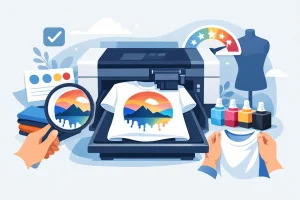
Customers usually care about three things first – how the design looks, how the shirt feels, and how long it lasts. Digital printing performs well on all three when the garment and artwork are matched correctly.
For complex designs, digital printing captures fine detail better than many people expect. Small text, soft color transitions, and image-based graphics reproduce cleanly. The print can also feel lighter than older transfer-based methods, especially when the file is prepared properly and printed on a compatible garment.
That said, results still depend on the shirt itself. Fabric type, color, and texture affect how the print sits and how vibrant the design appears. A smooth, high-quality cotton tee will usually show more detail than a heavily textured garment. Dark shirts may require different production steps than light ones. If you are choosing between products, that is where good support matters. The right printer should help you pick the garment that fits both the artwork and the budget.
Digital shirt printing vs. screen printing
This is not a matter of one method being better in every case. It is a matter of using the right tool for the order.
Screen printing often makes sense for large-volume orders with simple graphics. If you need hundreds of the same shirt with bold spot colors, it can be cost-effective. But once you add multiple colors, smaller quantities, or design complexity, the economics change quickly.
Digital shirt printing is usually the stronger option when you need full color at no extra charge, quick setup, and the freedom to order one item or many. It simplifies the buying process because the pricing is not tied to the number of ink colors in the same way. For a lot of customers, that is the deciding factor. They want the design they want, not the design that fits the print method.
Why no minimums matter more than people think
No minimums sound convenient, but they also solve a practical business issue. Ordering too many shirts wastes money. Ordering too few creates delays and frustration. When you can buy exactly what you need, you keep budgets tighter and inventory lower.
That is valuable for companies managing staff apparel across departments, schools with changing student participation, and event planners working with shifting headcounts. It also helps first-time buyers who want to test sizing, color, or artwork before placing a larger order.
For organizations selling branded merch, no minimum digital printing supports a more efficient model. You can fulfill demand as it happens instead of pre-buying stacks of inventory and hoping the sizes move. That is a smarter approach for clubs, nonprofits, and businesses that want a storefront without the usual storage problem.
The design process should not be a hurdle
A lot of customers have a clear idea of what they want but not a finished print file. That should not stop the order.
A good digital apparel process gives buyers two options. If they want to build something themselves, they should be able to do it easily with an online design tool. If they need help, they should be able to talk to a real person and get support without back-and-forth confusion.
That balance matters because the audience is wide. Some customers are ordering for work and need to move fast. Some are volunteers handling apparel on top of other responsibilities. Some are planning a personal celebration and have never ordered custom shirts before. The process needs to work for all of them.
At Custom Tees Direct, that means combining self-service convenience with professional support so customers can move quickly without guessing.
How to choose the right provider for digital shirt printing
Speed and price matter, but they are not enough on their own. The better question is whether the provider makes ordering easier from start to finish.
Look for clear benefits up front. No minimums, transparent pricing, full-color capability, and dependable turnaround should not be buried in fine print. You also want a broad apparel catalog, since many orders expand beyond basic tees into hoodies, polos, tanks, hats, and youth sizes.
Service matters just as much as product range. If your order includes multiple garment types, special sizing needs, or recurring merch requests, responsive support saves time. So does a system that lets you approve designs, reorder quickly, or manage merchandise for a school, team, or company without rebuilding the process every time.
The best digital printing partner is not just producing shirts. They are reducing operational drag.
Who gets the most value from digital shirt printing
Businesses get flexibility for uniforms, promotions, and branded events. Schools and teams get an easy way to outfit groups without overordering. Nonprofits get full-color fundraising apparel that works in small or large batches. Families and event organizers get custom shirts without high minimums or design limits.
That range is the real point. Digital shirt printing is not a niche option anymore. It is a practical solution for the way people actually buy custom apparel now – on tighter timelines, with more design freedom, and with less tolerance for complicated ordering.
If you are planning your next apparel order, think less about the print method as a technical detail and more about what you need the process to do. The best choice is the one that gives you clean results, fewer constraints, and a simpler path from idea to finished shirt.